
By Shawn Zigelstein, Broker, Team Zold
Both Stouffville and Richmond Hill are currently in buyer’s market territory, offering opportunities in each city if you know where to look.
Richmond Hill stands out as one of the most buyer-friendly markets in York Region, with a sales-to-new-listings ratio (SNLR) around 29% and 6.3 months of inventory.
On the other hand, Stouffville has an SNLR of 35% and 5.2 months of inventory. Still in the buyer's favor, just not to the extent that Richmond Hill is.
It’s also important to note these are two very different places to live: Richmond Hill is a growing suburb with urban density, established transit infrastructure, and a population of over 220,000. Stouffville, on the other hand, is a small town of about 59,000 that feels like you’ve left the city behind. With that in mind, let’s take a deeper dive into the numbers and see which place may be better suited for you and your family.
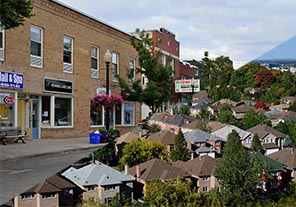
How Do Richmond Hill and Stouffville Home Prices Actually Compare in 2026?
Looking at the table alone doesn’t give you the full story. Let’s break it down together and unpack what these numbers actually mean.
Metric | Richmond Hill | Stouffville | Winner |
| Avg Price (All Types) | $1,219,863 | $1,248,851 | RH (narrowly) |
| Median Price (All Types) | $1,120,000 | $1,107,240 | Stouffville (narrowly) |
| Detached Average | $1,641,523 | $1,491,151 | Stouffville |
| Detached Median | $1,488,000 | $1,290,000 | Stouffville |
| Semi-Detached Avg | $1,127,700 | $927,500 (2 sales) | Stouffville |
| Freehold Townhouse Avg | $1,068,238 | $845,486 | Stouffville |
| Condo Apt Average | $579,492 (36 sales) | $512,000 (1 sale) | RH has 36x volume |
| YoY Price Change | +0.4% | - | RH (more stable) |
At first glance, the average prices look similar ($1,219,863 vs $1,248,851), but that doesn’t tell the whole story. Most of Stouffville’s sales are detached homes. That is, 29 out of 46 sales in March 2026 were detached houses. There are hardly any condos or townhouses to lower the average price. Richmond Hill, on the other hand, had 77 detached sales plus 10 semis, 26 freehold towns, 10 condo towns, and 36 condo apartments. This variety lowers Richmond Hill’s average price.
If you compare detached homes only, Stouffville is about $150,000 cheaper on average and nearly $200,000 less at the median. That’s a big difference. However, if you want an entry-level home, such as a condo or townhouse, Stouffville has almost nothing available. In March, there was just one condo apartment sale and no condo townhouse sales. Richmond Hill had 36 condo apartment sales and 10 condo townhouse sales. If you need variety or a lower price floor, Richmond Hill is the only real option.
Which City Gives You More Negotiating Power Right Now?
Both are buyer’s markets. Richmond Hill is deeper into that territory.
Metric | Richmond Hill | Stouffville |
| SNLR | 29.3% | 35.1% |
| Months of Inventory | 6.3 | 5.2 |
| Sale-to-List (All Types) | 98% | 96% |
| Sale-to-List (Detached) | 97% | 95% |
| Days on Market (LDOM) | 30 | 27 |
| Active Listings | 848 | 194 |
| Total Sales (Monthly) | 159 | 46 |
| Market Label | Deep Buyer’s Market | Buyer’s Market |
Source: TRREB Market Watch, March 2026 Market Watch
Richmond Hill is further into a buyer’s market based on SNLR (29.3% vs. 35.1%), but buyers in Stouffville are getting larger discounts per property. Stouffville’s sale-to-list ratio is 96% (95% for detached homes), so sellers are accepting about 4-5% below asking price on average.
In Richmond Hill, the 98% sale-to-list price shows less room to negotiate, probably because there’s more competition, even though it’s still a buyer’s market.
The real difference is in the number of sales. Richmond Hill had 159 sales in March, while Stouffville had just 46. With only 46 transactions across all property types, each sale can significantly affect the averages. This matters when you’re making an offer, since there’s less comparable data to use.
What does low sales volume mean for you as a buyer? You’ll have more negotiating power on each property since sellers have fewer competing offers. But there’s also less data to help you decide on your offer price. Your agent needs to really understand the local market, because city-wide averages aren’t very helpful when there are so few sales.
Here’s something to note: Stouffville’s freehold townhouses sold at 100% of list price with 14 sales, making this the strongest segment in town. Affordable freehold options in Stouffville are hard to find, and demand is still strong. If you’re looking for a townhouse in Stouffville, expect tougher competition than in other parts of the market.
Comparing the Commute to Toronto
Transit Factor | Richmond Hill | Stouffville |
| GO Line | Richmond Hill Line | Stouffville Line |
| Peak Service | Peak hours only (weekday AM/PM) | ~Every 30 min rush hour |
| Off-Peak Service | GO Bus Route 61 (not rail) | Hourly, mostly south of Unionville |
| Trip to Union Station | ~45-55 min | ~59-65 min |
| Stations in Municipality | 1 (Richmond Hill GO) | 2 (Stouffville GO, Old Elm GO) |
| Future Subway | Yonge North Ext. (5 stations, ~2030) | No subway access planned |
| Local Transit (YRT) | Viva Blue BRT (frequent) | Standard YRT (limited) |
| Drive to Downtown | ~45-60 min (404/DVP) | ~65-80 min (Hwy 48 to 404) |
When it comes to transit, it's important to look at the details. The Stouffville GO Line does offer train service, but off-peak, most trips only run between Unionville (or Mount Joy) and Union Station. If you board at Stouffville GO or Old Elm outside of rush hour, you will likely need to connect to a bus to reach a station served by the train. Metrolinx has gradually added service, including a new rush hour trip recently, but it’s still not all-day, all-stops rail like the Barrie Line serving Aurora.
Richmond Hill’s GO train service is also limited, offering peak-only weekday rail and GO bus service at other times. However, Richmond Hill has a significant advantage: the Yonge North Subway Extension. With five new stations and construction underway as of early 2026, the project is targeting completion around 2030. This is a major infrastructure investment that will fundamentally improve transit access for southern Richmond Hill. Stouffville does not have a comparable transit expansion planned.
If you work from home most of the week and only commute downtown occasionally, Stouffville’s longer trip is manageable. For daily commuters, however, the additional 15-20 minutes each way can have a real impact on quality of life for many people. Both cities have to deal with the Highway 404 southbound bottleneck, but in Stouffville, you’ll spend another 10 to 15 kilometers on the road just to reach the 404 via Highway 48. It’s an extra stretch of driving that adds up, especially if you’re commuting every day.
If daily transit access is a priority, Richmond Hill is likely the stronger choice. For those who work remotely and value larger lots and a quieter environment, Stouffville may be the better fit.
How do the Schools Compare?
School Factor | Richmond Hill | Stouffville |
| Top Secondary | Bayview SS, IB program | Stouffville DSS — 7.7/10 (118th ON) |
| Top Elementary | Silverstream PS (Top 50 ON, gifted) | Barbara Reid PS — 7.9/10 |
| IB Program | Yes (Bayview SS) | No |
| French Immersion | Multiple catchments | New FI elem (2025-26) + Catholic FI |
| School Boards | YRDSB + YCDSB | YRDSB + YCDSB |
Source: Fraser Institute
Richmond Hill has Bayview Secondary, which offers a full International Baccalaureate program, a genuine draw for families who prioritize academic programming. Homes in the Bayview SS catchment carry a measurable price premium, and North Richvale runs a seller-leaning SNLR of ~61% even in a city-wide buyer’s market. That’s school-driven demand in action.
Stouffville doesn’t have an equivalent school-premium pocket, but that doesn’t mean the schools are weak. Stouffville District Secondary scores 7.7/10 on Fraser Institute rankings (118th in the province), which is above average. Barbara Reid PS scores 7.9/10 at the elementary level. And Stouffville just got a brand new French Immersion elementary school for the 2025-26 year, which is a real addition for families who want that option.
The practical difference: Richmond Hill gives you more choices. Multiple high schools, multiple French Immersion catchments, an IB program, gifted programs at the elementary level. Stouffville has one public high school. If your kid thrives in that school’s environment, fantastic. If they don’t, your options are limited unless you're willing to make a long commute to another municipality’s school.
Check out our community posts for both Stouffville and Richmond Hill if you want to learn more about the community, cultures, and schools of the two cities.
The Bottom Line: Stouffville vs Richmond Hill in 2026
If you want... | Choose... | Why |
| Maximum negotiating power | Richmond Hill | 29.3% SNLR, 6.3 months inventory, most buyer-friendly in York Region |
| Lower detached home price | Stouffville | $150K less on average, ~$200K less at the median |
| Best school rankings + IB | Richmond Hill | Bayview SS IB program, Silverstream PS gifted, more high school options |
| Better GO train frequency | Neither wins cleanly | Both have limited GO service; Stouffville has two stations but limited off-peak rail |
| Long-term subway equity | Richmond Hill | Yonge North Extension (~2030), no subway planned for Stouffville |
| Condo/townhouse entry point | Richmond Hill | Far more multi-residential inventory at every price point |
| Large lots and rural feel | Stouffville | Estate lots in Ballantrae, Musselman’s Lake, rural hamlets |
| Small-town community | Stouffville | 52K population, Main Street village, tight-knit schools |
| Urban amenities and density | Richmond Hill | 220K+ population, Yonge corridor commercial, diverse dining/retail |
| Work-from-home lifestyle | Stouffville | More space per dollar, quiet residential, tolerable 1-2 day commute |
At the end of the day, this is a lifestyle decision as much as a financial one. Stouffville gives you more land, more quiet, and a lower price tag on detached homes. Richmond Hill gives you more transit options, more school choices, more housing variety, and a bigger pool of buyers when it’s time to sell. There’s no wrong answer, but there is a wrong answer for you.